


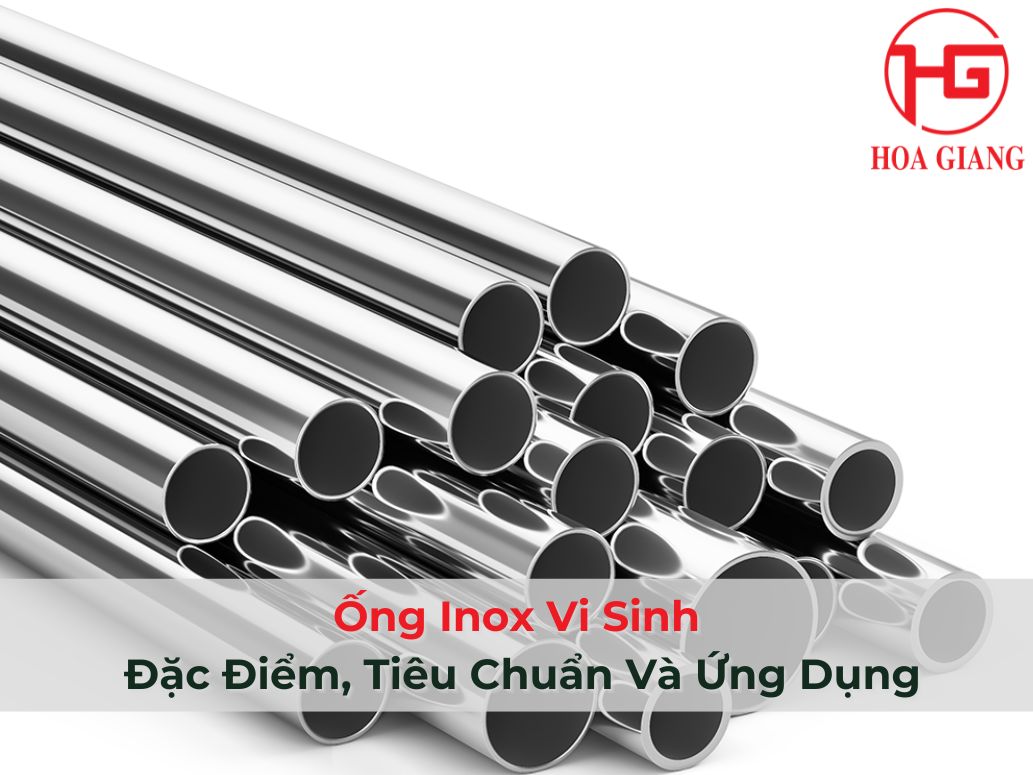
Stainless steel sanitary tubes are indispensable material in systems requiring high levels of cleanliness and safety. From food and beverage production lines to pharmaceuticals, piping must meet stringent requirements regarding materials, surface finish, and hygiene.
So how do sanitary stainless steel tubes differ from regular stainless steel pipes? What standards need to be considered, and which type of stainless steel is suitable for each system? Let’s explore the details with Hoa Giang in the article below.
What are stainless steel sanitary tubes?
Sanitary stainless steel tubing is a type of tubing manufactured from stainless steel, commonly used in systems requiring high levels of cleanliness and hygiene. A key characteristic of this product line is…The surface is meticulously finished both inside and out This creates a smooth surface, reduces areas prone to dirt accumulation, and makes cleaning easier.
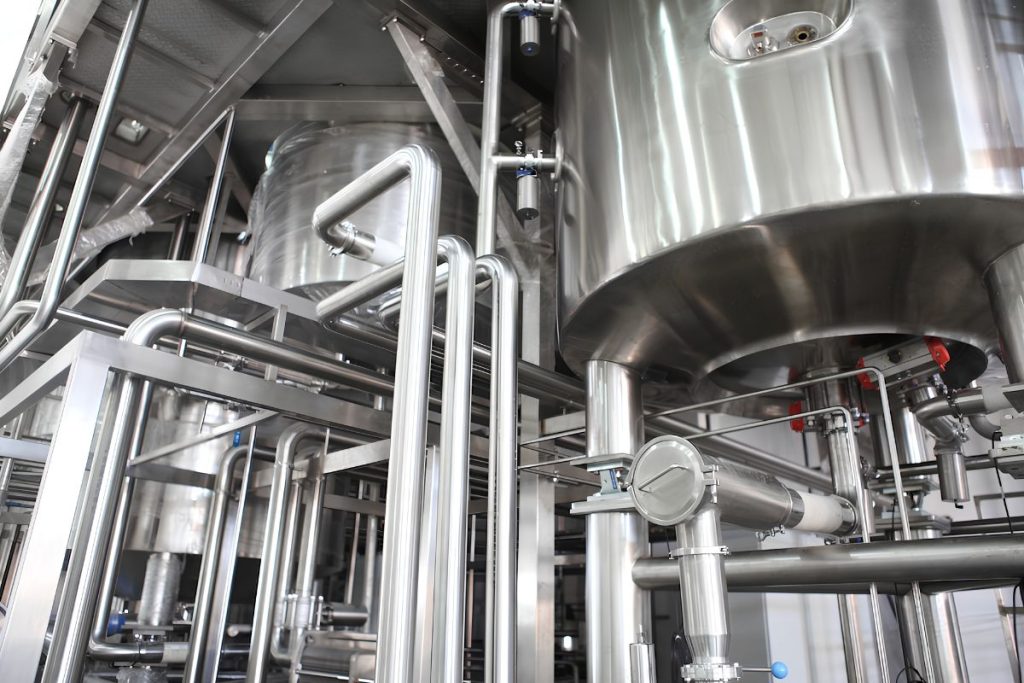
Stainless steel tubes for sanitary use in factories.
For standard stainless steel pipes, surface finish requirements may focus more on the outer surface. However, for sanitary stainless steel pipes, the inner surface of the pipe also plays a crucial role because this is the area that comes into direct contact with the product flow.
The smoother the surface, the less likely impurities are to adhere, facilitating cleaning and maintenance of the system. This is also why sanitary stainless steel pipes are commonly used in the food, beverage, pharmaceutical, and other industries requiring high levels of cleanliness.
Common types of stainless steel sanitary tubes
Stainless steel sanitary pipes can be classified according to material and manufacturing method. Two common types are stainless steel welded pipes for sanitary use and Stainless steel sanitary pipes.
Stainless steel welded tubes for sanitary use.
Stainless steel sanitary welded tubes are manufactured using a welding method from stainless steel material. This product line is widely used in industrial piping systems.
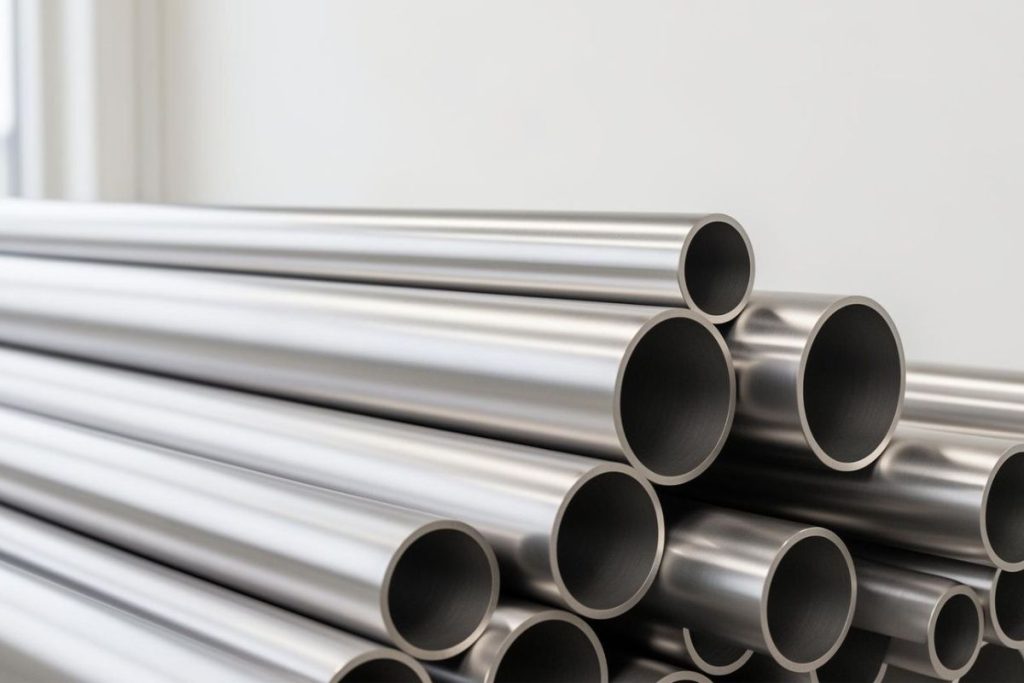
Stainless steel welded tubes for sanitary use.
At Hoa Giang, sanitary stainless steel welded pipes are available in 304, 304L, 316, and 316L grades; standard length is 6 meters; and they can meet SMS, DIN, and BPE standards. Various sizes are available.
Stainless steel sanitary tubes
Stainless steel sanitary pipes are manufactured using a casting method, without longitudinal welds along the pipe body. The product is used in systems requiring properties suitable for cast pipes.
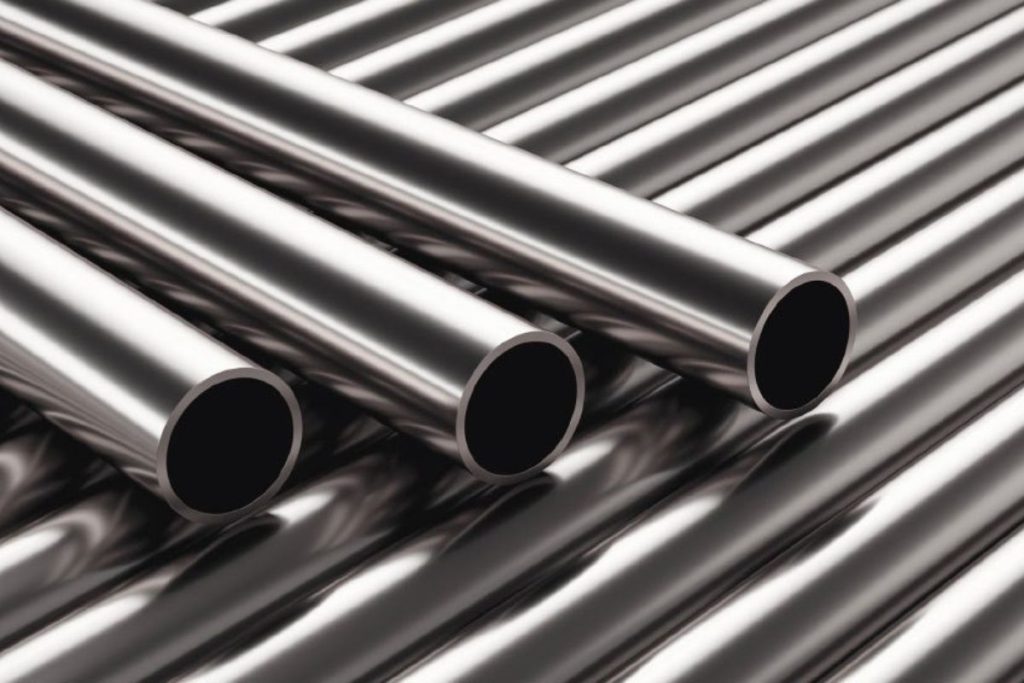
Stainless steel sanitary tubes
Hoa Giang supplies seamless stainless steel sanitary pipes in 304, 304L, 316, and 316L grades; meeting standards such as SMS, DIN, BPE, and various surface finish requirements.
Advantages of stainless steel sanitary pipes
Good corrosion resistance
Stainless steel is resistant to corrosion and oxidation thanks to a protective film that forms on its surface. This is one of the key properties that makes stainless steel widely used in piping systems.
Smooth surface, easy to clean.
This is one of the key differences of stainless steel sanitary pipes.
The interior and exterior surfaces are finished with a suitable smoothness to minimize dirt buildup, while also facilitating cleaning and maintenance of the pipelines.
Heat and pressure resistance
Stainless steel sanitary pipes have good heat and pressure resistance, making them suitable for many production systems and industrial pipelines.
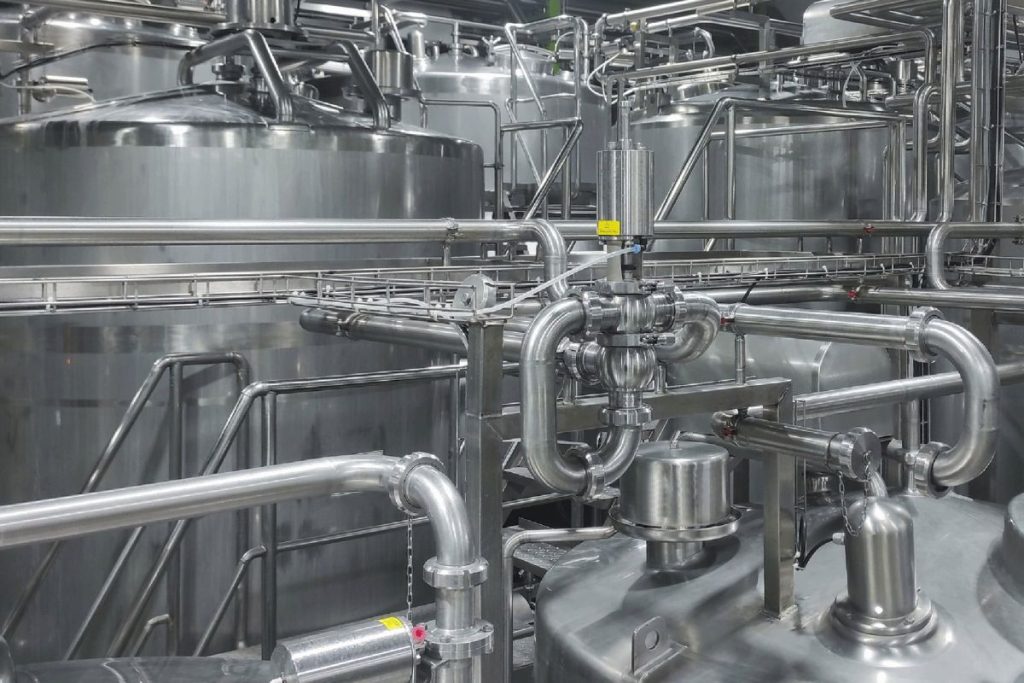
Stainless steel sanitary tubes in industrial piping systems
However, the actual heat and pressure resistance of a system depends not only on the material. Size, pipe wall thickness, system design, and operating conditions also need to be considered when selecting a product.
Stable shine and easy to maintain.
The well-finished surface helps the stainless steel sanitary pipes maintain their shine and resist dirt buildup. This makes routine cleaning and maintenance of the system more convenient.
Gloss and surface finish of sanitary stainless steel tubes
Surface finish is an important parameter when evaluating the quality of stainless steel sanitary tubes.
For sanitary stainless steel pipes, controlling the roughness is particularly important on the inside of the pipe. A well-finished surface helps to minimize areas where contaminants can be trapped and facilitates cleaning.
Depending on the product and system requirements, different levels of surface finish can be selected.
Sanitary stainless steel pipe standards
Stainless steel sanitary pipes are manufactured according to various standards. Each standard has its own requirements regarding dimensions, materials, surface finish, and ability to meet specific application conditions.
SMS standard
SMS is one of the common standards for sanitary piping and fittings.
This standard is used in many production systems requiring high levels of cleanliness, particularly in the food, pharmaceutical, chemical, and biotechnology industries.
SMS stainless steel sanitary tubing is designed with specifications suitable for connection and use in corresponding systems.
DIN standard
DIN is a German standards system, widely used in many industrial sectors.
For sanitary stainless steel tubing, the DIN standard specifies the requirements for product specifications and technical parameters. Using tubing that conforms to the same standard ensures uniformity among system components, making installation, replacement, and maintenance more convenient.
3A Standard
3A Sanitary Standards is a widely used standard in the food and dairy industry, particularly in North America.
This standard sets out requirements related to the design, manufacture, and testing of equipment in contact with food, including stainless steel sanitary piping systems.
BS 4825 standard
This is a British standard relating to pipes and fittings used in systems requiring high hygiene standards. This standard is applied in sectors such as food and industries with corresponding requirements for piping systems.
ISO standards
ISO provides numerous standards related to sanitary stainless steel pipes and fittings. The selection of a specific ISO standard should be based on the technical requirements of each system.
BPE Standard
Standard BPE is intended for equipment used in biological production processes and other fields requiring a high level of hygiene. This standard focuses on requirements related to equipment, materials, surfaces, and the ability to meet specific production conditions.
Applications of stainless steel sanitary tubes
Thanks to their corrosion resistance, smooth surface, ease of cleaning, and wide range of options, stainless steel sanitary pipes are used in many manufacturing fields.
Food and beverage industry
This is one of the common applications of stainless steel sanitary tubing.
Pipes are used in piping systems, tanks, valves, pumps, and production lines in food, dairy, and brewery processing plants.
Pharmaceutical industry
In pharmaceutical manufacturing, the cleanliness requirements for equipment and piping systems are often higher than in many other industries.
Stainless steel sanitary tubing can be used in pipelines, mixers, valves, pumps, and many other devices in pharmaceutical plants.
Construction industry
Stainless steel sanitary pipes are also used in projects requiring high levels of cleanliness, such as restaurant kitchens, cold storage facilities, and some projects related to microbiological production.
Water treatment and other industries
Stainless steel pipes are used in water treatment equipment, filtration systems, and clean water pipelines.
Additionally, the product is also found in power plants, the energy sector, the electronics industry, and some applications in the chemical industry, depending on the specific conditions of use.
How to choose the right stainless steel sanitary tubes?
The selection of sanitary stainless steel tubing should be based on the actual requirements of the system. Several factors need to be considered, including:
Stainless steel label: 304, 304L, 316, or 316L depending on the environment and application requirements.
Standard: Identify whether the system is using SMS, DIN, BPE, 3A, ISO, or another standard to ensure connectivity and compatibility.
Size: Choose the appropriate diameter and thickness for the system design.
Surface roughness: Determine the required interior and exterior finishes, especially for systems with high hygiene standards.
Production method: The choice between welded or seamless pipes depends on technical requirements and operating conditions.
Product documentation: For industrial projects, it is advisable to check the origin, quality, and relevant certifications of the products.
In particular, you shouldn’t choose pipes based solely on price. The more specific the standard, the higher the material and surface requirements, and the more the product cost can vary. Making the right choice from the start helps minimize problems during installation, operation, and maintenance.
Hoa Giang sanitary stainless steel tubes
Hoa Giang supplies sanitary stainless steel products for various production and industrial systems. The range of sanitary stainless steel pipes includes welded pipes and seamless pipes, with materials 304, 304L, 316 and 316L.
The product can meet many standards such as SMS, DIN, BPE and other standards, and we also accept custom orders.
In terms of surface finish, the product offers options with varying degrees of gloss Ra ≤ 0.4 μm or < 0.8 μm, depending on product requirements.
Hoa Giang is the exclusive distributor of GHWA (Thailand) brand stainless steel sanitary tubes in Vietnam, providing products that meet material, standard, and finish requirements for various industrial applications.
Frequently asked questions about stainless steel pipes for sanitary use
What are stainless steel sanitary pipes?
Sanitary stainless steel tubing is a type of stainless steel tubing manufactured and finished to high standards of cleanliness, especially on both the inside and outside surfaces. It is commonly used in food, beverage, pharmaceutical, and other industries requiring high levels of hygiene.
What types of stainless steel sanitary pipes are available?
The two most common types are welded stainless steel sanitary pipes and seamless stainless steel sanitary pipes. Additionally, the product is classified by material such as 304, 304L, 316, and 316L.
What standards are commonly used for stainless steel sanitary tubes?
Some common standards include SMS, DIN, 3A, BS, ISO, and ASME BPE. The appropriate standard will vary depending on the industry and system requirements.
What is the gloss level of stainless steel sanitary tubing?
Depending on the product type and finishing requirements, sanitary stainless steel pipes can be polished with Ra ≤ 0.4 μm or < 0.8 μm; brushed surfaces can achieve Ra < 0.8 μm.
Where are 304 stainless steel sanitary tubes used?
304 stainless steel sanitary pipes are used in many fields such as food, beverages, pharmaceuticals, construction, water treatment, electronics, and several other industrial applications.
Should you choose 304 or 316L stainless steel tubes?
There is no single best choice for every system. The choice between 304 and 316L should be based on the application environment, corrosion resistance requirements, system standards, and project specifications.
Does Hoa Giang supply stainless steel sanitary tubes pipes upon request?
Yes. In addition to products available according to SMS and DIN 11850-1 standards, Hoa Giang accepts orders for products according to specific requirements and other standards.
Conclude
Stainless steel sanitary tubes are a suitable choice for systems requiring materials that are corrosion-resistant, have a smooth surface, are easy to clean, and meet specific technical standards.
Depending on the project, businesses can choose 304, 304L, 316, or 316L stainless steel pipes; welded or seamless pipes; and select SMS, DIN, BPE, 3A, ISO, or other suitable standards.
If your business needs sanitary stainless steel tubing for food, pharmaceutical, beverage, or industrial applications, contact Hoa Giang for advice on materials, standards, sizes, and surface finishes to suit your project’s specific requirements.
Address: 19 Bach Dang Street, Tan Son Hoa Ward, Ho Chi Minh City
Phone: (028) 38485518~9
Facebook: Hoa Giang Stainless Steel